.png)

How to Find Your Personal Style From Scratch (Without Spending Any Money)
- The Jan Brand

- Mar 6, 2025
- 6 min read
Updated: May 22
Let me tell you something that the fashion industry does not want you to hear. You do not need to spend a single dollar to find your personal style. Not one cent. The whole process of discovering who you are through clothing starts entirely in your head, your heart, and your existing wardrobe.
If you have ever scrolled through Instagram feeling like everyone else has their look figured out except you, or stood in your closet feeling completely lost despite having plenty of clothes, this is the post you have been waiting for. Finding your personal style is not about buying more. It is about getting clearer.
Let us start from scratch together.
STEP ONE: GET HONEST ABOUT WHAT YOU ACTUALLY LIKE
Before you look at a single magazine or Pinterest board, turn the mirror inward. Ask yourself what genuinely appeals to you when it comes to clothing, not what you think should appeal to you, not what is trending, but what actually makes your eyes light up.
Think about color first. Do bold, vibrant colors energise you? That Caribbean love of color that so many of us grew up with is not something to suppress in the name of looking "sophisticated." It is a genuine style asset. Or do soft, muted neutrals feel more like home to you? A survey from ColourMatters found that 85 percent of purchasing decisions are influenced by color alone, which tells you just how powerful your color instincts really are.
Then think about fit. Do you feel most like yourself in relaxed, flowy silhouettes or do you prefer clean, structured lines? Neither is wrong. Both are valid. Research shows that wearing well-fitted clothing, in whatever silhouette you prefer, can increase your confidence by up to 20 percent.
Finally, think about texture and pattern. Are you drawn to florals, stripes, bold prints, or clean solids? Do you love the feel of soft cotton against your skin or do you gravitate toward something with a bit more structure?
Write your answers down. This is the raw material of your personal style and it costs absolutely nothing to uncover.
STEP TWO: BUILD A MOOD BOARD
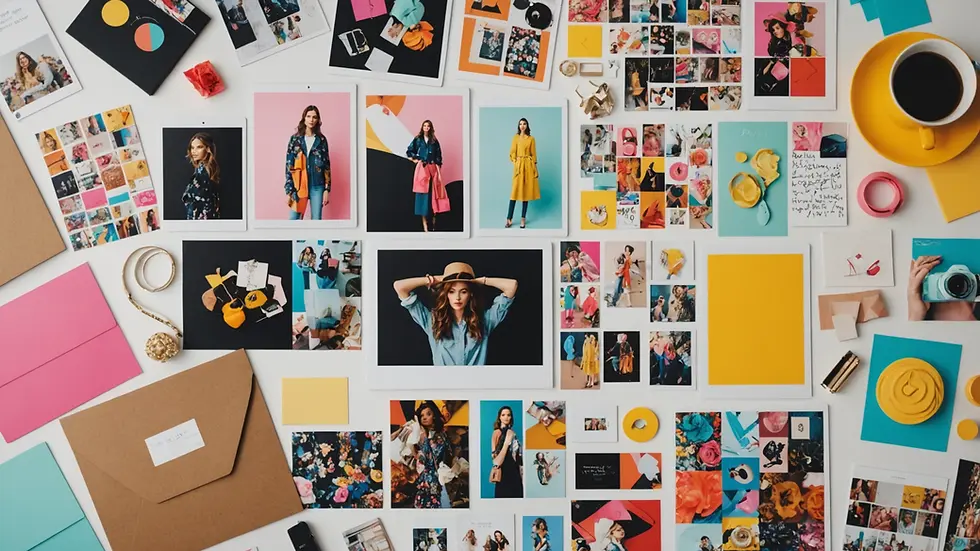
Now that you have some clarity about your preferences, it is time to make them visual. A mood board is one of the most powerful tools in any stylist's toolkit and it is completely free.
As world-renowned fashion stylist Rachel Zoe says, "Style is a way to say who you are without having to speak." A mood board helps you figure out what you are trying to say.
Open Pinterest and create a private board. Start saving images of outfits, colors, accessories, and looks that genuinely appeal to you without overthinking it. Aim for at least fifteen to twenty images before you start analyzing. According to a study by The NPD Group, 50 percent of people find their style inspiration through social media, so use that resource intentionally rather than just scrolling aimlessly.
Once you have a collection of images, look for patterns. You will likely notice that you keep gravitating toward similar colors, silhouettes, or vibes. That is your personal style trying to introduce itself. Pay attention.
STEP THREE: RAID YOUR OWN CLOSET
Here is the step most people skip and it is arguably the most important one. Before you go anywhere near a shop, spend a few hours really exploring what you already own.
A survey found that 73 percent of people have clothes in their wardrobe they have not worn in the past year. That is a lot of untapped potential just hanging there waiting for you.
Pull everything out. Try things on. Pair pieces together in ways you never have before. A simple t-shirt that you have only ever worn casually might look completely fresh with a tailored skirt and sandals. A blazer you forgot about might be exactly the piece your outfits have been missing.
Stylist and author Trinny Woodall always says that the best wardrobe edit happens before you spend anything. Getting to know what you already have is how you stop buying duplicates of things you own and start building something cohesive.
Accessories deserve special attention here. According to a report from Style.com, a statement accessory can increase the perceived value of an entire outfit by up to 40 percent. That bold necklace or colorful scarf sitting at the back of your drawer might be exactly what your current wardrobe needs.
STEP FOUR: THRIFT AND EXPLORE WITHOUT PRESSURE
Once you have done the internal work and explored your existing wardrobe, you can start to look outward. And the best place to start is not a retail store.
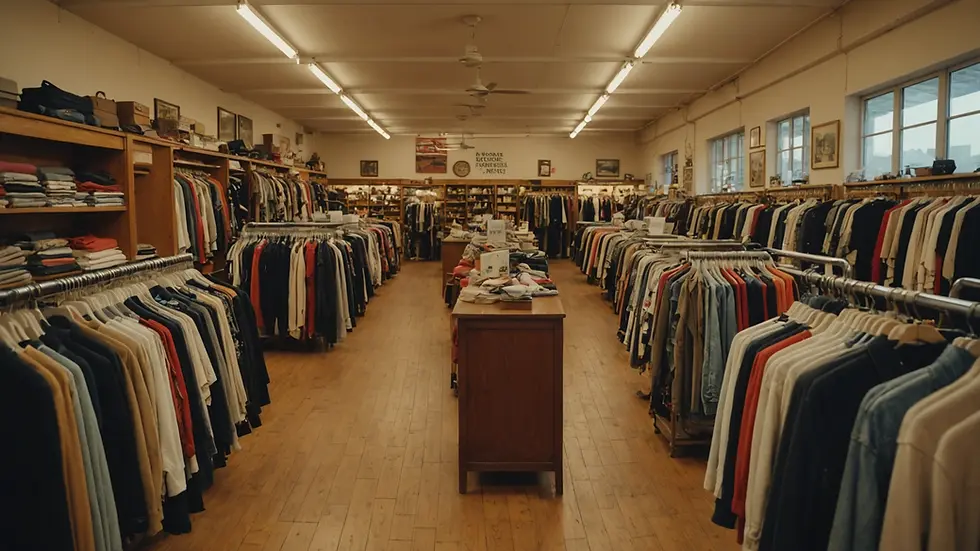
Thrift stores, vintage shops, and local Caribbean markets are where personal style truly comes alive on a budget. These spaces reward curiosity and creativity in ways that mainstream retail simply does not. You are not looking for trends here. You are looking for pieces that speak to the style you have been defining.
Set aside a Saturday with no pressure to buy anything. Just explore. Try things on. See how different pieces make you feel. This kind of low-stakes exploration is how you build style intuition over time.
The environmental case for second-hand shopping is compelling too. The Environmental Protection Agency found that choosing used clothing reduces textile waste by over 20 percent. Looking good and doing good at the same time? That is a win worth celebrating.
If you find something you love that does not fit perfectly, do not walk away. A local tailor can make alterations affordably and the difference between a piece that almost fits and one that fits perfectly is the difference between something you never wear and something you reach for every week.
STEP FIVE: IDENTIFY YOUR SIGNATURE LOOK
After all this exploration, patterns will start to emerge. You will notice the combinations that consistently make you feel most like yourself. That is your signature look taking shape.
As fashion icon Coco Chanel famously said, "Fashion changes but style endures." Your goal is not to chase what is trending. It is to find what is authentically you and wear it with conviction.
Define a go-to outfit formula that works for your real life. Maybe it is a printed wrap dress with flat sandals and bold earrings. Maybe it is tailored trousers, a simple top, and a statement blazer. Maybe it is a flowy linen set in a color that makes you feel alive. Whatever it is, name it and own it.
A clearly defined personal style also makes future shopping infinitely easier. You stop buying things that do not fit the vision and start building a wardrobe that is smaller, smarter, and far more satisfying.
KEEP IT ALIVE AND LET IT GROW
Personal style is not a destination you arrive at once and stay forever. It evolves as you evolve. Give yourself permission to shift and grow.
Follow a few fashion accounts that genuinely inspire you rather than make you feel inadequate. Do a small closet cleanout every few months. Research shows that a decluttered space increases productivity and mental clarity by up to 25 percent, and that absolutely extends to your closet.
Add seasonal pieces thoughtfully when the budget allows. But always, always come back to the foundation: who are you, how do you want to show up, and what makes you feel most like yourself?
That is personal style. And you already have everything you need to find it.
FREQUENTLY ASKED QUESTIONS
Q: How long does it take to find your personal style?
A: For some women it clicks quickly, for others it is a longer journey. Give yourself at least thirty days of intentional exploration, mood boarding, and wardrobe experimenting before expecting clarity. Style is something you uncover over time, not something you figure out overnight.
Q: What if I like so many different styles and cannot narrow it down?
A: That is actually a sign of a rich visual imagination, not a problem. Look for the thread that connects the looks you are drawn to. It might be a color palette, a level of formality, or a general vibe. Your style can be eclectic and still feel cohesive.
Q: Can I really find my personal style without buying anything new?
A: Absolutely. The discovery process costs nothing. Understanding your preferences, building a mood board, and exploring your existing wardrobe are all free. Shopping comes later and only to fill genuine gaps once you know what your style actually is.
Q: What if my personal style does not fit my budget?
A: True personal style almost always translates to any budget. If you are drawn to structured, tailored looks, thrift stores have blazers and trousers at a fraction of retail cost. If you love color and print, local markets and second-hand shops are full of vibrant affordable options. Style is about vision, not price tags.
Q: How do I stay true to my personal style when trends keep changing?
A: Use trends as a menu, not a mandate. When a trend aligns with your established style, adopt it. When it does not, leave it. Your personal style is the filter through which you evaluate everything else.
Q: What is the single most important first step?
A: Getting honest about what you actually like rather than what you think you should like. Everything else builds from there.

Comments